Saving Mountain Craft Memory with Light, Pixels, and Patience
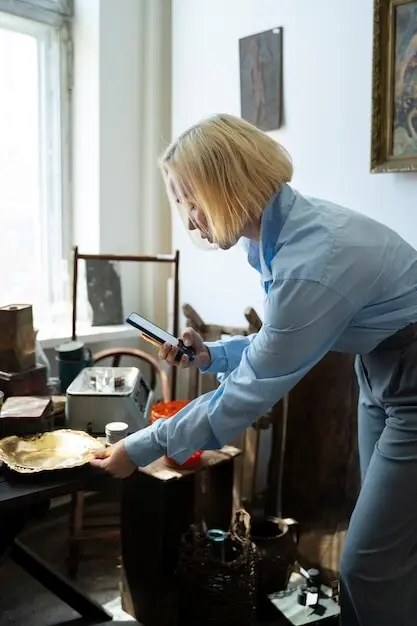
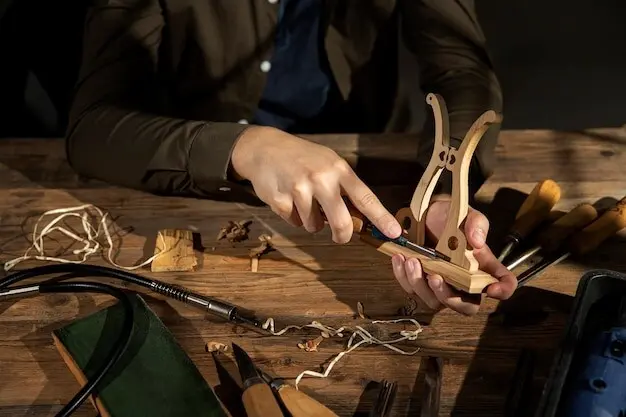
Today we explore Digital Heritage Preservation in Mountain Villages: Photogrammetry and Quiet Tools for Craft Documentation, focusing on respectful imaging, careful measurement, and community partnership. By combining structure-from-motion photography with unobtrusive note-taking and gentle instruments, we can capture loom setups, carving rhythms, and tool marks before they disappear. Expect practical checklists, field stories, and open workflows you can adapt on high slopes or in remote hamlets. Join the conversation, share your methods, and help keep knowledge alive where roads end and traditions endure.

Altitude, Isolation, and the Fragility of Skill
High valleys preserve techniques through necessity, yet distance, migration, and harsher weather can erase a lifetime of gestures within a single season. We examine why patient documentation matters when apprentices move away, workshops become storerooms, and tourism pressures alter materials. You will find ways to listen first, photograph later, and work with elders at their pace. Add your observations from upland journeys below so others can plan respectful visits, anticipate constraints, and build trust long before packing cameras or calibration boards.

Cameras, Lenses, and the Art of Standing Still
Shooting Overlap that Software Loves

Structure-from-motion thrives on overlap and varied angles. Aim for roughly seventy to eighty percent coverage, circling objects in two or three belts and adding tilted passes for undercuts. Keep exposure consistent using manual mode, lock white balance, and avoid motion blur by bracing and breathing slowly. When space is tight, shoot partial arcs and later fill gaps. Describe the route you walk around a loom, anvil, or spindle, and the cues you follow to know when coverage is truly complete.

Light That Warms Memory, Not Wood

Diffuse illumination protects finishes and relaxes eyes. Reflect sunlight with a foldable reflector, bounce an LED panel into a wall, or stretch a thin cloth between window and subject for soft shadows. Use high-CRI lamps and a gray card to maintain faithful color, helpful when identifying plant dyes or resin glazes. Avoid hot bulbs that dry wood or disturb beeswax polish. What portable lighting tricks have served you in cramped lofts or smoky sheds without drawing attention or fatiguing hosts?

Tiny Routines that Quiet the Field

Calm workflows build confidence. Prepare checklists that start with introductions and end with labeled backups. Pre-cut gaffer tape to muffle tripod feet, set cameras to silent mode, and standardize file names before leaving the trailhead. Keep spare cards sealed, hand gel available, and a soft brush for stray dust. When everyone senses predictable care, work flows. Which small ritual—like a shared tea pause, a lens cloth gift, or a pre-visit phone call—most improved your welcome and focus?

Pixels into Geometry: A Gentle Processing Pipeline

Quiet Instruments that Earn Trust

Not every insight needs a cord or fan. Pencil sketches, soft-jaw calipers, cloth tapes, and archival tags work where power is scarce, consent is careful, or space is tight. These unobtrusive supports complement cameras by capturing measurements, context, and maker language directly. We outline portable kits that fit in a daypack, weigh little, and invite curiosity rather than alarm. Share the low-tech tools you rely on when documenting fine joinery, spindle whorls, or dye bundles in kitchens and sheds.

Field Notebooks that Become Maps

Standardize notes so they outlive memory. Include maker names, local terms, material sources, season, elevation, GPS or sketch maps, lens and aperture, lighting, and the sequence of steps observed. Create quick icons for gestures, pauses, and tools. Number pages, add an index, and photograph spreads as backup. When artisans see their words faithfully recorded, they contribute more. What headings make your notebook universally helpful, and how do you translate dialect nuances without flattening personality or protective meanings?

Measuring Gently, Measuring Well

Measurements should never bruise. Use cloth tapes for circumference, felt-tipped calipers for thickness, and simple wooden gauges where contact is sensitive. Photogrammetric scale bars reduce touching altogether. Switch laser meters to silent mode and confirm with a second method when possible. Readings become richer when paired with stories about why a width matters. Describe techniques that earned permission to measure heirlooms, and the redundancies you keep so results remain credible even when altitude, cold fingers, or excitement introduce small mistakes.

Tagging Artifacts Without Scars

Provenance travels on labels. Choose buffered card tags written in pencil, reversible adhesives for temporary mounts, and soft string that avoids burnishing. QR stickers can work on protective sleeves rather than objects, linking to metadata and consent notes. Keep owner names and restrictions prominent. Photograph tags with objects at the start and end of sessions. Which tagging system has survived damp sheds, sudden hail, or goats chewing cords, and how do you ensure identifiers remain meaningful once files enter shared repositories?

Stories, Voices, and Motion around the Model

Asking Questions that Open Doors

Open prompts encourage generous answers. Try, “When did this motion first feel natural?” or “Which wood warns you before splitting?” Pause often, show a model or stills, and invite line-by-line review afterward. Provide breaks for translation and family input. Encourage disagreements that surface alternatives. What questions or activities—like labeling a printed photo or comparing two chisels—unlocked the most precise memories, and how did you record authorship so quotes and captions keep originators visible across publications and exhibitions?

Linking Gestures to Meshes

Annotation binds movement to matter. Create hotspots that reveal short clips of knot-tying or planing angles, attach captions describing rhythms, and link to notebook scans. When bandwidth is scarce, use animated GIFs or compressed loops and preload on devices. Educators benefit when steps are clearly ordered and reversible. Share the platforms or viewers you rely on, how you organize layers by difficulty, and the moments when a subtle wobble or patina in the model reframed understanding for younger learners.

Language Access and Shared Rights

Knowledge circulates fairly when language and rights are respected. Publish bilingual captions, maintain glossaries for local terms, and accommodate oral recordings when writing feels foreign. Adopt licenses that reflect community wishes, and follow CARE alongside FAIR so sovereignty stays intact. Share edit rights with co-curators, and include withdrawal options. Which credit lines, license choices, or governance agreements have sustained trust across years, and how do you document ongoing consent so updates reflect changing expectations without burying responsibilities in legalese?

Preservation That Survives Storms and Generations

Long-term access demands redundancy, clarity, and humble maintenance. We outline durable storage plans friendly to high altitude logistics, including rotating SD cards, rugged SSDs, and delayed cloud sync from valley towns. Learn to verify integrity with checksums, keep descriptive sidecars, and document processes so future caretakers can rebuild pipelines. Your suggestions on power budgeting, solar charging, and cold-proof cases are welcome. Together we can keep intricate knowledge reachable for grandchildren who may never meet the original makers.
Zentolaxixaridavoluma
Privacy Overview

This website uses cookies so that we can provide you with the best user experience possible. Cookie information is stored in your browser and performs functions such as recognising you when you return to our website and helping our team to understand which sections of the website you find most interesting and useful.