
Walking the Quiet Line Between Hand and Code in the Julian Alps
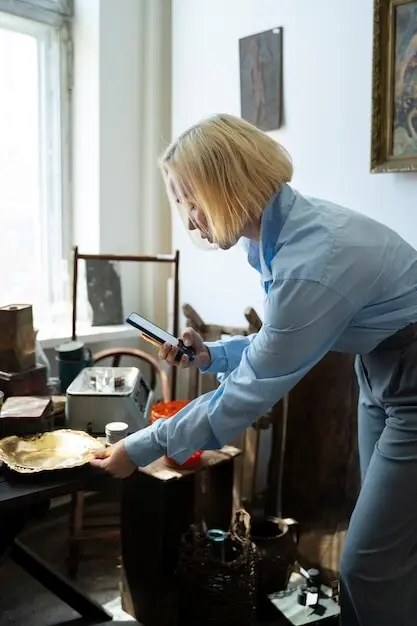
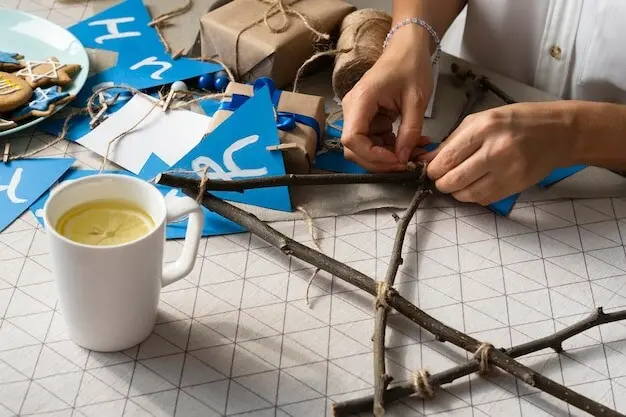
Workbenches Beneath Triglav
Wood That Remembers Wind
Alpine larch and spruce, once flexing under winter gusts, become bowls and sled runners with grain that tells a weathered tale. Makers sight along fibers, then pair hand planes with hushed sensors that track humidity inside simple, insulated racks. No fan whine, no screens flaring blue—just analog shavings, a pocket e‑ink checklist, and a tiny, sleeping logger that wakes, notes, and rests. The results feel alive, aligned with the slope that grew them, honest to curve and climate.
Wool Routes and Gentle Looms
From planina pastures come fleeces carded by hand, then guided across wooden heddles where rhythm matters more than throughput. Quiet microcontrollers time shuttle assists without stealing the cadence, and foot-treadles still set the beat. Natural dyes brew in sun-warmed vats, their color tracked by passive tags, not buzzing thermostats. Finished cloth breathes like cloud shadow over scree, strong yet forgiving. The loom keeps stories of migrations, storms, and solace, while little circuits help avoid tangles, not mastery.
Cheese Caves and Silent Data
Alpine wheels mature in stone rooms where silence is part of flavor. Affineurs turn rounds by feel, knock for resonance, and trust notes inked in smudge-proof e‑paper. Passive NFC loggers, awakened by a tap, reveal curves of temperature and humidity without broadcasting. A candle’s glow, not a fan’s hum, shows air moving rightly. The technology’s value is simple: fewer spoiled batches, steadier texture, and a memory of conditions that honors craft decisions rather than replacing them.
Paths, Workshops, and Low‑Power Wayfinding
01
Bohinj Boats, Kranjska Gora Bytes
Start beside quiet Lake Bohinj where a boatbuilder shapes oars whose balance feels inevitable. A sun patch powers a small sander behind a wooden baffle, keeping peace with loons and early swimmers. Later, in Kranjska Gora, a makers’ corner hums barely above leaves: 3D printers tuned to low temperatures extrude recycled filament, while hand tools finish surfaces the nozzle can’t understand. The day teaches that refinement is shared between firmware and fingertips, with neither pretending to be enough alone.
02
Footpaths, Shelters, and LoRa Beacons
Waypoints are hayracks, chapels, springs, and shepherd huts, not billboards. A wrist device sleeps most of the hike, waking briefly to trade two or three packets with hillside beacons. No cloud, no frantic syncing—just a breadcrumb reassurance when fog presses down. Signage is carved, not glowing, and night finds you under stars that technology refuses to dim. The reward is a pace that breathes, letting the trail teach balance long after the last avalanche fence slips from view.
03
Field Notes on Paper and E‑Ink
Pages hold sketches of dovetail joints and fern silhouettes, while a palm-sized e‑ink slate stores measurements, part numbers, and local words for tools. Both resist glare and distraction. Batteries last a week because nothing blinks. The pair travels together: pencil for gesture and feeling, e‑ink for recall and sharing. Later, near Tolmin, a cooper consults your notes to trim a hoop by a single rasp stroke. Collaboration happens at human speed, yet nothing important is lost.
High‑Country Materials, Low‑Impact Methods
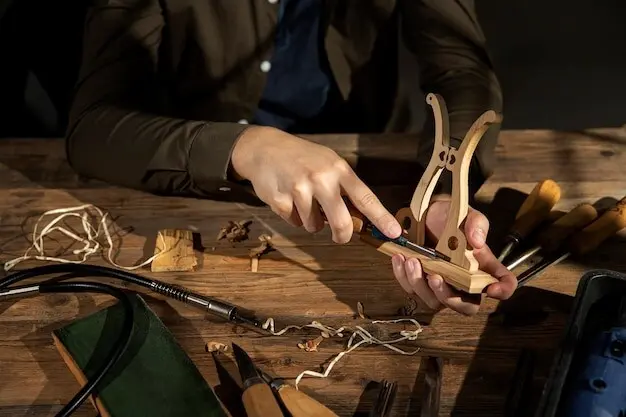
Larch, Copper, and Weatherproof Grace
Shingle by shingle, larch sheds sleet and sun, guided by jigs cut from last year’s offcuts. Wooden baffles hush compact drivers used only when storms approach deadlines. Copper nails, chosen for patience, meet timber that breathes. A pocket hygrometer sleeps between measurements, woken by touch, not pings. The roof that emerges feels inevitable yet carefully reasoned, a conversation between resin, grain, and gravity. When rain returns, drips tick a pattern suggesting both shelter and the slow metronome of seasons.
Wool, Herbs, and Sun‑Warmed Color
Shingle by shingle, larch sheds sleet and sun, guided by jigs cut from last year’s offcuts. Wooden baffles hush compact drivers used only when storms approach deadlines. Copper nails, chosen for patience, meet timber that breathes. A pocket hygrometer sleeps between measurements, woken by touch, not pings. The roof that emerges feels inevitable yet carefully reasoned, a conversation between resin, grain, and gravity. When rain returns, drips tick a pattern suggesting both shelter and the slow metronome of seasons.
Stone, Water, and Micro‑Turbine Hints
Shingle by shingle, larch sheds sleet and sun, guided by jigs cut from last year’s offcuts. Wooden baffles hush compact drivers used only when storms approach deadlines. Copper nails, chosen for patience, meet timber that breathes. A pocket hygrometer sleeps between measurements, woken by touch, not pings. The roof that emerges feels inevitable yet carefully reasoned, a conversation between resin, grain, and gravity. When rain returns, drips tick a pattern suggesting both shelter and the slow metronome of seasons.
Designing for Silence and Stewardship
Acoustics of Brushless Help
Dark‑Sky Friendly Guidance
Interfaces That Breathe
Alpine Anecdotes: People, Patience, Precision
Restoring a Kozolec with Care
A father and daughter catalog a leaning hayrack, chalking joints before disassembly. A borrowed drone maps angles in a five‑minute flight, then returns to its nest for the week. Joinery is rehearsed on offcuts, not software alone. When larch meets oak dowels, the structure stands as if it never wavered. Their notebook lists every fix, freely shared with neighbors who spot echoes in their own barns. The lesson is quiet: document, pause, and let wood teach its second language patiently.
A Quiet Apiary’s Gentle Signals
Painted hives face morning sun, guarded by marigolds and the beekeeper’s calm breath. Sensors send a short LoRa note at dusk with weight and temperature, nothing more. Weekly, a thermal snapshot joins the ledger to spot drafts. No livestreams, no constant pings; bees do not need an audience. The harvest is modest but reliable, jars labeled with dates, weather, and bloom. Guests taste seasons, not software. The keeper smiles, saying the best innovation was deciding when to close the lid.
Zines, Radios, and Avalanche Wisdom
Old guides print pocket zines explaining snowpack layers with sketches, then pair them with small, open radios that charge by sunlight on hut windowsills. Trainees practice beacon searches without music or chatter, learning to hear silence as information. Data from weather stations is cached nightly, then carried by people rather than bandwidth. The ritual builds memory stronger than links. When cornices creak, decisions are made by group attention and grounded tools that do just enough, exactly where it counts most.
Join the Craft: Learn, Support, Contribute
Pack for Silence and Repair
Support Makers, Share Patterns
Write Back and Walk With Us
All Rights Reserved.