
Between Peaks and Workshops: Slow Journeys That Spark Craft
Today we explore Slow Mobility for Makers: E-Bike and Rail Routes Linking Artisans Across the Julian Alps, discovering how pedal-assist climbs, valley railways, and station-side villages knit a resilient corridor for creativity. From Jesenice to Nova Gorica, Tarvisio to Kranjska Gora, gentle travel reveals workshops, stories, and unexpected collaborations. Pack light, ride kindly, and let timetables set a welcoming rhythm, where every stop becomes a handshake, every gradient an idea, and every shared charge an invitation to create together.

Ridges, Rivers, and the Craft Towns They Protect
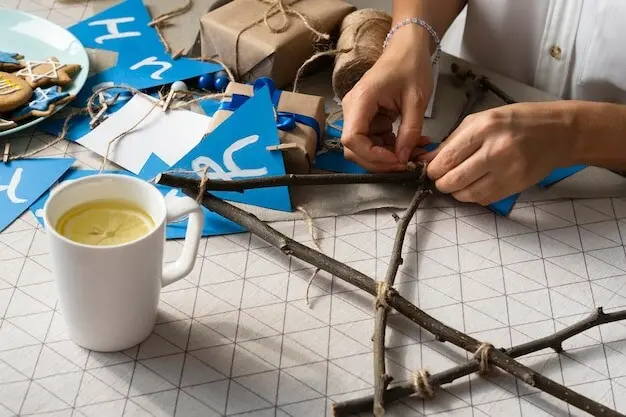
Ridges shelter cedar-scented hamlets, while rivers braid through market squares where blacksmiths, weavers, and bakers coordinate hours with passing trains. Following the Soča or Sava keeps gradients gentle and viewpoints generous. You glide between limestone cliffs and hayrack-dotted fields, hearing bells and lathes before you see doorways. By letting watercourses guide your wheels, you conserve energy for long chats, careful handling of materials, and the small detours that often yield your most valuable encounters.
Rails Threading Valleys, With Stations as Doorways
Stations like Jesenice, Nova Gorica, Tarvisio Boscoverde, and Villach act as reliable hinges between cultures and craft traditions. Timetables are not limits but invitations to pause, sketch, and explore a lane you might otherwise pass. Short hops let you bridge steep sections gracefully, then roll from a platform straight into artisan quarters. Ask station staff about bike access and nearby workshops; their local tips, from hidden bakeries to community sheds, frequently unlock unforgettable visits.
E-Bike Grades, Batteries, and Realistic Daily Range

Assume alpine gradients will ask as much of your curiosity as your motor. Plan conservative ranges, favor valley floors for distance, and save climbs for afternoons when workshops reopen. Micro top-ups at cafes, libraries, and friendly studios keep momentum without pressure. Consider carrying a lightweight extension cord, label your charger, and always request permission. With thoughtful pacing, your battery becomes a shared resource, supporting conversations, careful transport of delicate pieces, and safe returns before twilight chills settle in.
People and Places Along the Way
This landscape is stitched together by hands at work. Bells cast beside river spray, wool washed where meltwater sings, and clay turned near disused sidings tell of livelihoods tuned to seasons and schedules. Listening first, buying small, and returning often forms trust. Makers remember riders who arrive quietly, lock respectfully, and sweep wood shavings before leaving. Across borders, smiles and gestures bridge language, and a stamped receipt doubles as a treasured map of friendships found along gentle miles.
Planning Linked Journeys Without a Car
Connecting lanes and lines means embracing flexibility. Build days around generous buffers, midday closures, and the human need for rest. Check operator policies for bike spaces, chargers, and cross-border tickets, and screenshot essentials for offline use. Schedule climbs when bakeries open and trains are less crowded. If a workshop is unexpectedly closed, nearby stations or bus links can redirect you toward another studio. The art of planning here is really an ethics of attention, patience, and care.
Time as a Material: Field Sketches and New Ideas
Treat minutes like clay you can shape. Pull over when a cloud shadow redraws a ridge, annotate a stitch pattern inspired by hayrack lattices, or record ambient echoes inside a stone arch. These micro-captures seed prototypes that feel grounded rather than borrowed. Returning to a studio with pages of place-specific notes strengthens your next commission, exhibition, or batch. What you leave with is not only a receipt, but an index of observations forged by wind, gradient, and gratitude.
Local Economies Strengthened by Gentle Arrivals
When riders arrive quietly, they linger, buy snacks near stations, pay workshop fees, and book rooms midweek. This pattern spreads income beyond postcard centers and reduces pressure on fragile hotspots. A baker learns your favorite loaf, a carpenter offers offcut discounts, and a printer reserves studio time. Repeat visits compound trust, while shared maps guide respectful newcomers. The result is a fabric of livelihoods resilient to seasonality, grounded in friendships rather than fleeting tours chasing peak-hour spectacle.
Lower Emissions, Higher Wellbeing
Rail plus e-bike significantly reduces emissions compared with private cars over comparable alpine distances. Quieter movement also lowers noise and stress, improving conversations and safety on narrow lanes. Riders sleep better, hosts feel respected, and wildlife keeps its calm routines. You still cover ambitious ground, but with margins wide enough for care. Investing in this approach means breathing cleaner air, funding public transport, and discovering that wellbeing is not a perk; it is the very medium of lasting work.
Tools, Maps, and Open Data for Confident Routing
Good information turns possibility into ease. Combine elevation profiles with rail timetables and points of interest like repair benches, water taps, and studios offering tours. Open data layers reveal heritage sites aligned with safe cycling corridors, helping you sequence visits without backtracking. Keep offline basemaps ready for dead zones, and mark shelter options for sudden showers. Share back your corrections and discoveries, strengthening a commons that welcomes the next rider with clearer guidance and kinder expectations.
GPX, Elevation, and Heritage Layers in One View
Build a master map blending GPX tracks, gradient charts, and entries for stations, studios, and seasonal markets. Tag closures, siesta hours, and surfaces to anticipate traction. Add photographs of ramps and platforms for easier boarding. When you publish your layer, anonymize private addresses and keep sensitive habitats unpinned. Invite local makers to review your annotations, correcting errors and adding lore. Over time, the map evolves into a living guide that turns strangers into considerate, well-prepared guests.
DIY Cargo Racks and Safe Load Paths
A stable load protects both your work and everyone around you. Build or retrofit racks with low center of gravity, redundant strapping points, and vibration-damping pads. Test emergency stops on quiet lanes before carrying fragile pieces. Secure cords away from rotors, and use reflective tape for tunnels and evening returns. Photograph your setup so makers can advise improvements. Share part lists, cutting diagrams, and failure notes, because transparent tinkering raises the standard for safety and courtesy throughout the corridor.
Battery Care in Mountain Conditions
Alpine temperatures and extended climbs affect range. Start warm, avoid deep discharges, and store batteries indoors overnight. Plan brief, polite charging sessions at midday rather than one desperate push at dusk. Use eco modes on long valley stretches and turbo sparingly on steep ramps. Keep contacts dry, bring a short cable, and monitor charge without blocking walkways. When in doubt, prioritize time with people over kilometers. The most valuable mileage is measured in conversations, not just in distance covered.

Join the Journey and Shape What Comes Next
This project grows through your rides, sketches, and friendships. Share respectful routes, highlight welcoming studios, and celebrate cafes that host careful chargers. Offer to mentor newcomers, translate timetables, or coordinate small meetups at stations between services. Subscribe for seasonal itineraries, printable cue sheets, and maker introductions. Reply with questions, corrections, or invitations to collaborate. Together we can keep this corridor generous, low impact, and deeply human, where creativity flows as steadily as the rivers beneath these rails.
Map your favorite segments linking stations, water refills, and studios that appreciate considerate visitors. Add notes on gradients, wind exposure, and courteous charging spots, plus tips for market days or school holidays. If you manage a space, publish clear visiting hours and access rules. Riders will arrive prepared, spend locally, and spread the word about your kindness. Your shared knowledge becomes the quiet infrastructure that makes slow connections effortless for the next maker rolling into town.
Consider hosting a pop-up demo timed between trains, giving travelers a reason to pause and learn. Coordinate with station staff, keep aisles uncluttered, and invite neighboring artisans to co-present. Simple formats work best: tool show-and-tell, stitch circles, or clay trimming. Provide a sign with respectful photography guidelines and donation suggestions. These small gatherings cultivate patrons who return, volunteers who help, and a reputation for hospitality that spreads gently along tracks and lanes like sunlight following the valley.
All Rights Reserved.