Whisper-Quiet Trails, Kinder Mountains

Join us as we explore Wildlife-Friendly Design: Low-Noise Outdoor Gear Prototyping in Alpine Environments, blending bioacoustics, material science, and mountain wisdom to build equipment that moves gently through fragile habitats, protects breeding seasons, and keeps encounters respectful, meaningful, and safe for animals, adventurers, and future field innovators alike.

Why Silence Matters Above the Treeline

Listening to the Landscape

Before sketching another buckle, listen. Dawn and dusk reveal baseline noise and sensitive frequencies masked by midday wind. Simple recorders with fluffy windscreens, placed thoughtfully away from streams, map how sound spreads, helping prototypes target problematic tones rather than chasing overall decibel reductions alone.

Behavioral Red Lines

Before sketching another buckle, listen. Dawn and dusk reveal baseline noise and sensitive frequencies masked by midday wind. Simple recorders with fluffy windscreens, placed thoughtfully away from streams, map how sound spreads, helping prototypes target problematic tones rather than chasing overall decibel reductions alone.

Human Factors in Noise

Before sketching another buckle, listen. Dawn and dusk reveal baseline noise and sensitive frequencies masked by midday wind. Simple recorders with fluffy windscreens, placed thoughtfully away from streams, map how sound spreads, helping prototypes target problematic tones rather than chasing overall decibel reductions alone.

Materials That Muffle

Select textiles with low crinkle memory and soft hand. Brushed warp-knit backers, wool blends, and air-entangled yarns swallow micro-impacts astonishingly well. Prefer polyurethane-coated fabrics over crisp silicone-impregnated shells when stealth matters. Test swatches by twisting near a microphone, rating tonal harshness, not merely peak loudness.

Hardware Without Clatter

Favor zipper garages, covered pulls, and polymer coils with soft coatings. Replace dangling metal with webbing loops, quiet toggles, or elastic keepers. Add micro-elastomer bumpers under buckles to remove snap-back. The best solutions feel intuitive in gloves, resisting icing while remaining serenely silent during fast, repetitive motions.

Prototyping in Thin Air

Species Spotlights and Real-World Encounters

Stories keep us honest. Field days with cautious marmots, dusk-camouflaged ptarmigan, and stonelike ibex revealed how tiny noises cascade into miscommunications. By redesigning small interfaces, we witnessed calmer glances and uninterrupted foraging, reinforcing that compassionate engineering can open quiet corridors without compromising safety, reliability, or alpine joy.

Marmots and Metallic Clicks

On a glacier forefield, aluminum snaps repeatedly drew wary heads above burrow rims. Swapping to textile loops with elastic keepers reduced attention spikes during identical passes. We did not approach closer; we simply passed unnoticed, conserving their energy and granting our team a humbling lesson in restraint.

Ptarmigan at Dusk

Moving across crunchy heather, a tent fly with crisp coating crackled during pitch. A revised panel using softer face fabric and quieter tensioners nearly erased those spikes, allowing birds to continue feeding undisturbed. Our camp felt lighter too, as conversation naturally followed the mountain’s softened cadence.

Measurement, Standards, and Sharing Data

Meaningful Metrics

Look beyond a single maximum. Track LAeq for typical use, LAFmax for spikes, and third-octave patterns to reveal textures. Birds often react to sharp energy around several kilohertz, while larger mammals notice repetitive transients. Tune prototypes against those windows rather than only chasing lower overall averages.

Wind Is the Enemy

Wind overwhelms microphones and people. Use oversized windscreens, shielded orientations, and terrain features to block gusts. Log Beaufort estimates and reject compromised trials. When possible, conduct back-to-back comparisons within minutes, so changing weather does not masquerade as acoustic improvement or undo days of meticulous iteration.

Open Notebooks

Publish protocols, audio snippets, and CAD adjustments under permissive licenses. Remove location details during sensitive seasons, but keep enough context for peers to replicate. Open sharing multiplies insight, discourages greenwashing, and speeds practical adoption, especially when small workshops and big brands agree on baseline, respectful practices.

Manufacturing Considerations Without Compromise

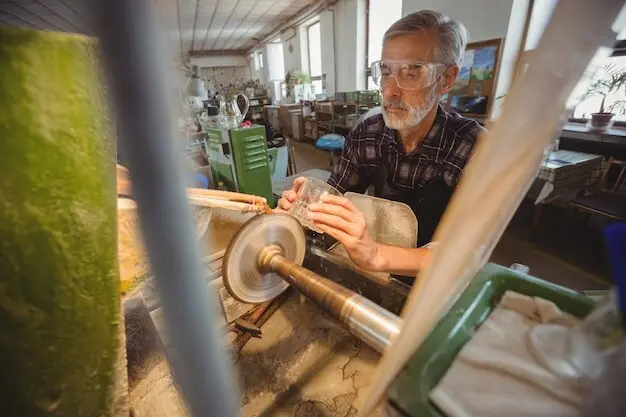
Prototypes whisper; production must too. Translate shop wisdom into specifications vendors can follow: acceptable fabric roughness, zipper coil type, lubricant chemistry, seam allowances, and inspection methods. Build acoustic checks into quality control, catching squeaks before shipping. Quietness becomes a requirement, not an accident, and customers feel the difference.

Community, Stewardship, and Next Steps

This journey invites participation. Field testers, guides, rangers, fabric mills, and backyard makers can collaborate across ranges and seasons. Share recordings, report wildlife observations, and propose clever fixes. Subscribe for challenges, contribute stories, and help shape practices that keep mountain conversations hushed, respectful, and richly alive for generations.
Zentolaxixaridavoluma
Privacy Overview

This website uses cookies so that we can provide you with the best user experience possible. Cookie information is stored in your browser and performs functions such as recognising you when you return to our website and helping our team to understand which sections of the website you find most interesting and useful.