
Saving Mountain Craft Memory with Light, Pixels, and Patience
Altitude, Isolation, and the Fragility of Skill
Cameras, Lenses, and the Art of Standing Still
Shooting Overlap that Software Loves
Light That Warms Memory, Not Wood
Tiny Routines that Quiet the Field
Quiet Instruments that Earn Trust
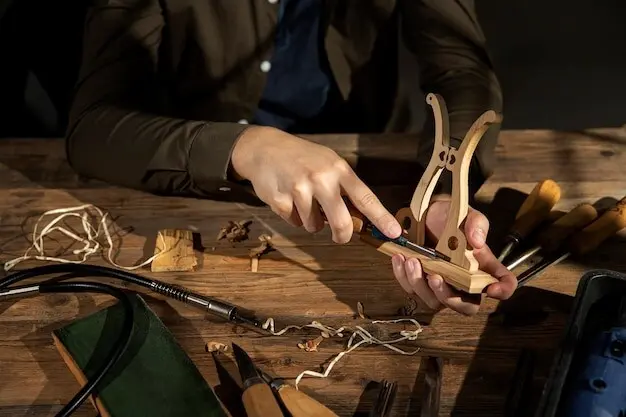
Field Notebooks that Become Maps
Measuring Gently, Measuring Well
Tagging Artifacts Without Scars
Stories, Voices, and Motion around the Model
Asking Questions that Open Doors
Open prompts encourage generous answers. Try, “When did this motion first feel natural?” or “Which wood warns you before splitting?” Pause often, show a model or stills, and invite line-by-line review afterward. Provide breaks for translation and family input. Encourage disagreements that surface alternatives. What questions or activities—like labeling a printed photo or comparing two chisels—unlocked the most precise memories, and how did you record authorship so quotes and captions keep originators visible across publications and exhibitions?
Linking Gestures to Meshes
Annotation binds movement to matter. Create hotspots that reveal short clips of knot-tying or planing angles, attach captions describing rhythms, and link to notebook scans. When bandwidth is scarce, use animated GIFs or compressed loops and preload on devices. Educators benefit when steps are clearly ordered and reversible. Share the platforms or viewers you rely on, how you organize layers by difficulty, and the moments when a subtle wobble or patina in the model reframed understanding for younger learners.
Language Access and Shared Rights
Knowledge circulates fairly when language and rights are respected. Publish bilingual captions, maintain glossaries for local terms, and accommodate oral recordings when writing feels foreign. Adopt licenses that reflect community wishes, and follow CARE alongside FAIR so sovereignty stays intact. Share edit rights with co-curators, and include withdrawal options. Which credit lines, license choices, or governance agreements have sustained trust across years, and how do you document ongoing consent so updates reflect changing expectations without burying responsibilities in legalese?
Preservation That Survives Storms and Generations
All Rights Reserved.